

As a supplier of brass stop valves, I've often been asked about the environmental impacts associated with using these products. In this blog, I'll delve into the various aspects of brass stop valves and their effects on the environment.
Production Phase
The production of brass stop valves involves several steps, each with its own environmental implications. Brass is an alloy primarily composed of copper and zinc. Mining these metals is the first step in the production process. Copper mining, for example, can have significant environmental impacts. It often involves large - scale excavation, which can lead to deforestation, soil erosion, and habitat destruction. The extraction process also consumes vast amounts of water and energy. In some regions, copper mines are major water consumers, which can lead to water scarcity issues in local communities.
Zinc mining has similar problems. The extraction of zinc ores from the earth can result in the release of heavy metals and other pollutants into the environment. These pollutants can contaminate soil, water, and air, posing risks to human health and wildlife. Once the copper and zinc are mined, they need to be refined. Refining processes are energy - intensive, typically relying on fossil fuels. The burning of fossil fuels releases greenhouse gases such as carbon dioxide, which contribute to global warming.
However, our company is committed to reducing the environmental impact during the production phase. We source our raw materials from mines that follow strict environmental regulations. These mines implement reforestation programs to mitigate the effects of deforestation, and they use advanced water - recycling technologies to reduce water consumption. In addition, we are constantly exploring ways to make our refining processes more energy - efficient. For instance, we are looking into the use of renewable energy sources such as solar and wind power to meet our energy needs during the production of brass stop valves.
Usage Phase
When it comes to the usage phase, brass stop valves have some positive environmental aspects. Brass is a highly durable material. A well - made brass stop valve can last for decades, even in harsh conditions. This long lifespan means that fewer valves need to be replaced over time, reducing the overall demand for new products. As a result, there is less need for raw material extraction and production, which in turn decreases the environmental impact associated with these processes.
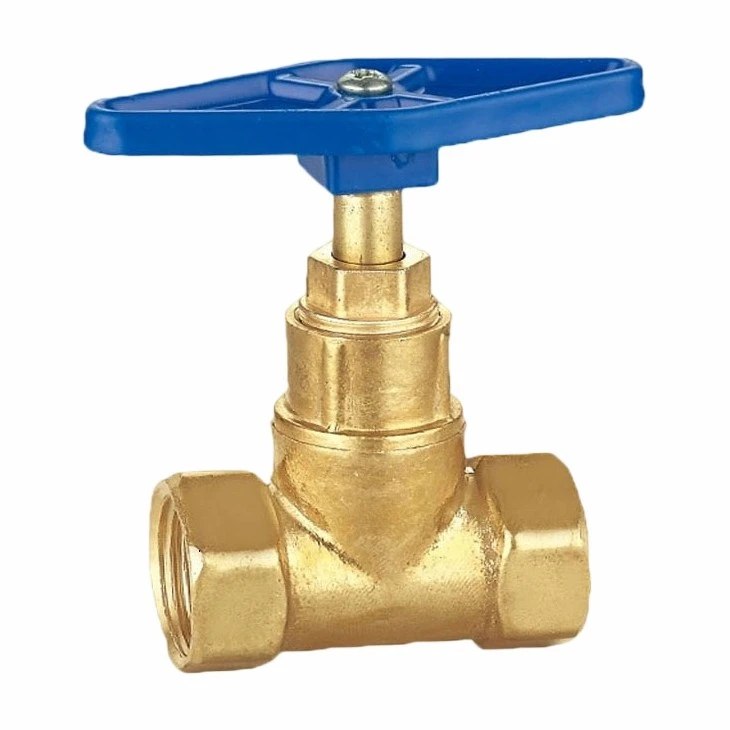
Brass also has excellent corrosion resistance. Unlike some other materials, brass stop valves are less likely to corrode and leak. Leaking valves can waste a significant amount of water, especially in large - scale industrial or commercial applications. By preventing water leakage, brass stop valves help conserve water resources. For example, in a large water distribution system, a single leaking valve can waste thousands of liters of water per day. Our Brass Regulating Stop Valve is designed with high - quality brass to ensure maximum corrosion resistance and a tight seal, helping our customers save water.
Another advantage of brass stop valves during the usage phase is their low maintenance requirements. Since they are durable and corrosion - resistant, they don't need to be frequently serviced or replaced. This reduces the use of chemicals and other materials that are often used in maintenance operations, which can be harmful to the environment.

End - of - Life Phase
At the end of their useful life, brass stop valves can be recycled. Brass is one of the most recyclable materials in the world. Recycling brass requires significantly less energy compared to producing new brass from raw materials. According to research, recycling brass can save up to 90% of the energy needed for primary production. When brass stop valves are recycled, they are melted down and reused to make new products. This reduces the demand for newly mined copper and zinc, which helps conserve natural resources and reduces the environmental impact of mining.
Our company encourages our customers to recycle their old brass stop valves. We can provide guidance on proper recycling methods and even assist in the recycling process in some cases. By promoting recycling, we are closing the loop and contributing to a more circular economy.
Comparison with Other Materials
When compared to other materials used for stop valves, such as plastic, brass has some distinct environmental advantages. Plastic valves are often made from petroleum - based products. The production of plastic involves the extraction and processing of fossil fuels, which is a major contributor to greenhouse gas emissions. In addition, plastic has a relatively short lifespan compared to brass. Plastic valves are more likely to break or become brittle over time, especially in high - temperature or high - pressure environments. This means that they need to be replaced more frequently, leading to increased production and waste generation.
On the other hand, our Brass German Y - type Stop Valve and Brass Forged Stop Valve are built to last. Their long lifespan and recyclability make them a more environmentally friendly choice compared to plastic valves.
Conclusion
In conclusion, while there are some environmental impacts associated with the production of brass stop valves, they also offer several environmental benefits during the usage and end - of - life phases. Our company is taking steps to minimize the negative impacts during production and maximize the positive aspects throughout the product's lifecycle.
If you are in the market for high - quality, environmentally friendly brass stop valves, we invite you to contact us for procurement and further discussions. We are always ready to provide you with detailed information about our products and how they can meet your needs while also being kind to the environment.
References
- "Environmental Impacts of Metal Mining and Smelting." United Nations Environment Programme.
- "Recycling of Non - Ferrous Metals." International Resource Panel.
- "The Durability and Corrosion Resistance of Brass in Engineering Applications." Journal of Materials Science.


