

Can a brass ball valve be used in a sewage pipeline?
When it comes to the selection of valves for sewage pipelines, various factors need to be considered. As a supplier of brass ball valves, I often receive inquiries about whether our brass ball valves are suitable for sewage pipeline applications. In this blog, I will delve into the properties of brass ball valves and analyze their viability in sewage pipeline systems.
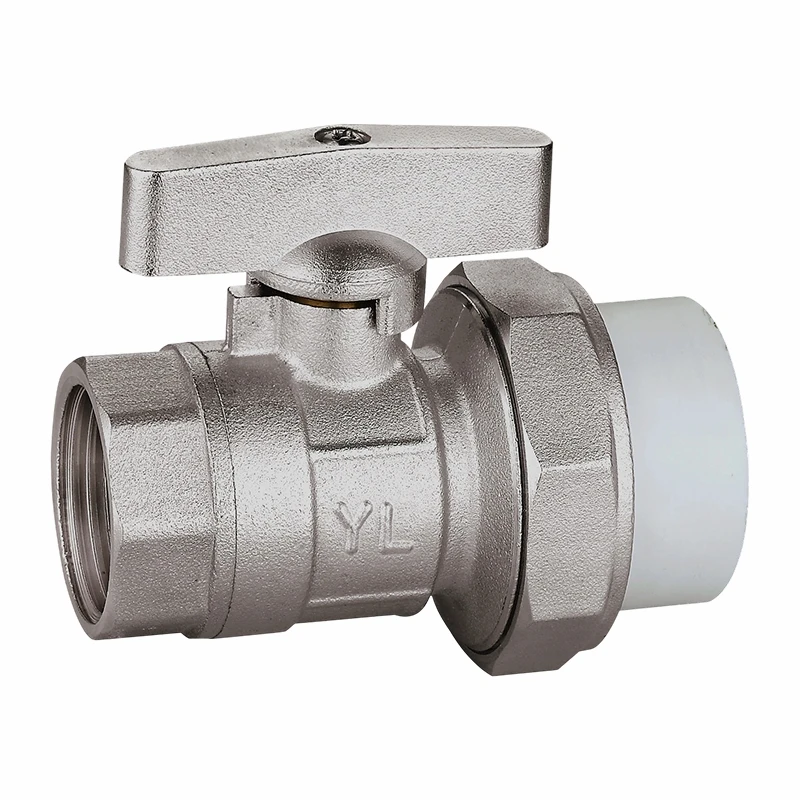
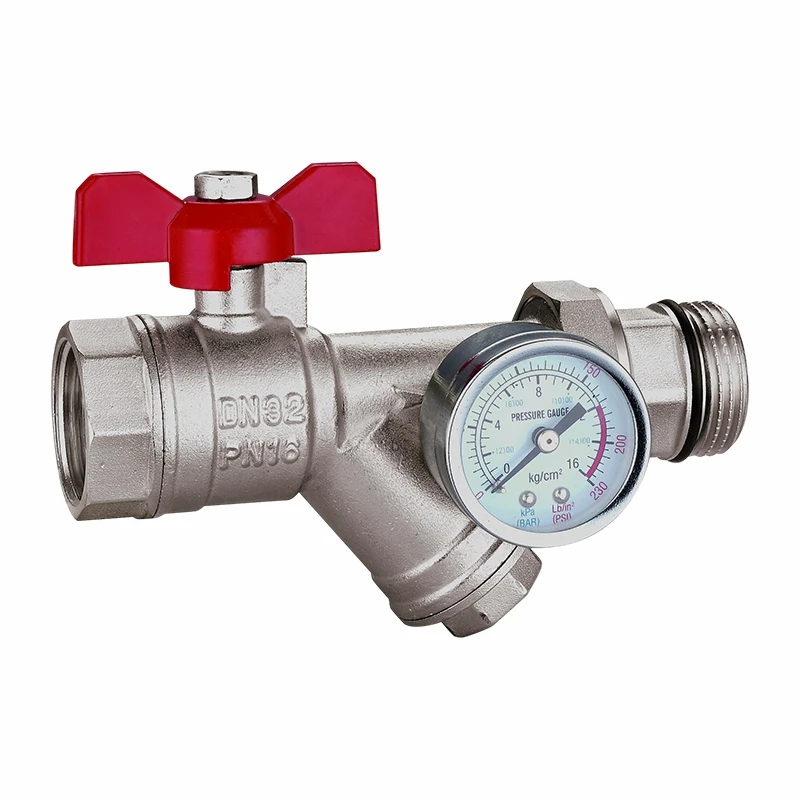
Brass is an alloy composed mainly of copper and zinc, with other elements sometimes added to enhance specific properties. Brass ball valves are known for their excellent corrosion resistance, good mechanical strength, and ease of installation. These features make them a popular choice in many plumbing and fluid control applications.
One of the primary concerns when using a valve in a sewage pipeline is corrosion. Sewage contains a variety of substances, including water, organic matter, and sometimes chemicals. Over time, these substances can corrode the valve materials. Brass has a natural protective oxide layer that forms on its surface, which helps to resist corrosion. However, the long - term exposure to sewage can still pose challenges. The presence of certain chemicals in sewage, such as acids or alkalis, may react with the brass over time. For example, if the sewage has a high sulfur content, it can cause the brass to tarnish and potentially corrode more rapidly.
Another aspect to consider is the abrasion resistance of the valve. Sewage often contains solid particles, such as sand, silt, and small debris. These particles can cause abrasion to the valve components, especially the ball and the seats. Brass ball valves typically have a smooth surface finish, but continuous abrasion from the solid particles in the sewage can lead to wear and tear. This may result in leakage or reduced valve performance over time.
However, not all sewage pipelines are the same. In some domestic sewage systems, where the sewage is relatively clean and does not contain a large amount of abrasive particles or highly corrosive chemicals, brass ball valves can be a viable option. Our FF Brass Ball Valve is designed with high - quality brass materials that offer good corrosion and abrasion resistance. It has a precision - machined ball and seats, which ensure a tight seal and reliable operation.
In commercial or industrial sewage systems, the situation is more complex. The sewage may contain a higher concentration of chemicals and abrasive particles. In such cases, a more robust valve may be required. Our Brass Union Filter Ball Valve can be a good choice. This valve comes with a built - in filter that can trap solid particles before they reach the ball and seats, reducing the risk of abrasion. The union design also allows for easy installation and maintenance.
For sewage systems that are part of a water - based heating or cooling system, our Brass PEX Ball Valve can be a suitable option. It is designed to work well with PEX pipes, which are commonly used in such systems. The brass construction provides durability, and the valve is easy to operate.
The pressure and temperature conditions in the sewage pipeline also play a crucial role in the valve selection. Brass ball valves can generally withstand a certain range of pressure and temperature. However, if the sewage pipeline operates under high - pressure or high - temperature conditions, the performance of the brass ball valve may be affected. High pressure can cause the valve components to deform, and high temperature can accelerate the corrosion process.
In addition to the technical aspects, cost is also an important consideration. Brass ball valves are generally more affordable compared to some other types of valves, such as stainless steel or ceramic valves. This makes them an attractive option for many customers, especially those on a budget.
When it comes to installation and maintenance, brass ball valves are relatively easy to work with. They can be installed using standard plumbing tools, and most of the maintenance tasks, such as cleaning and replacing the seals, can be carried out without much difficulty.
In conclusion, while brass ball valves have their limitations in sewage pipeline applications, they can be used effectively in certain situations. For domestic sewage systems or less demanding commercial applications, our brass ball valves can provide reliable performance. We offer a range of brass ball valves, including the FF Brass Ball Valve, Brass Union Filter Ball Valve, and Brass PEX Ball Valve, which are designed to meet different requirements.
If you are considering using brass ball valves in your sewage pipeline system, I encourage you to contact us for a detailed consultation. Our team of experts can help you assess your specific needs and recommend the most suitable valve for your application. We are committed to providing high - quality products and excellent customer service. Whether you are a contractor, a building owner, or a facility manager, we are here to assist you in making the right valve selection for your sewage pipeline.
References
- "Handbook of Valves and Actuators" by Valve Manufacturers Association
- "Corrosion and Protection of Metals in Sewage Systems" by International Journal of Corrosion Science
- "Fluid Control in Plumbing Systems" by Plumbing Engineers Institute


