


As a supplier of brass stop valves, I understand the critical importance of sealing performance in these essential components. A well-sealed brass stop valve not only ensures the efficient and safe operation of various systems but also extends the service life of the valve itself. In this blog, I will share some practical tips on how to improve the sealing performance of a brass stop valve.
Understanding the Basics of Brass Stop Valve Sealing
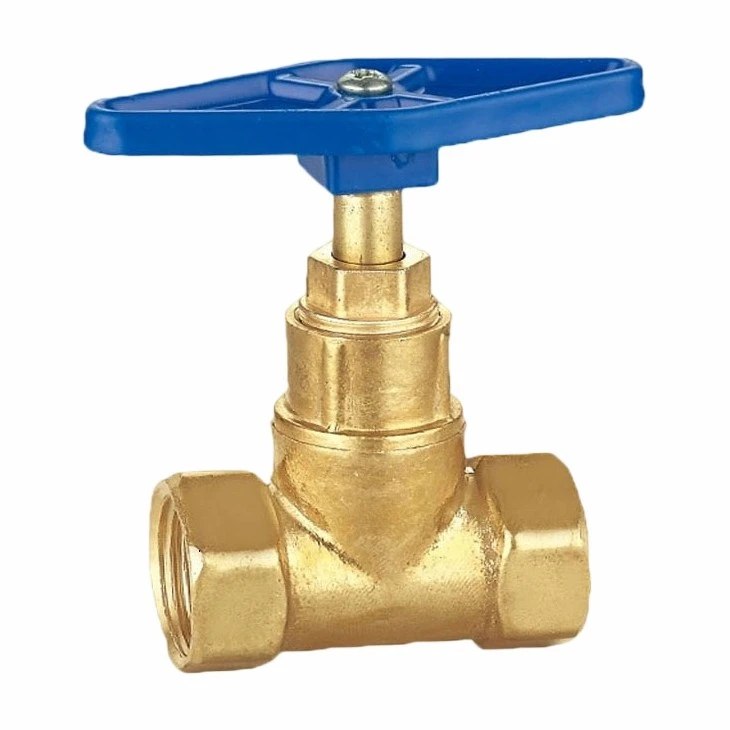
Before delving into the methods of improving sealing performance, it's crucial to understand the basic principles of how a brass stop valve seals. A brass stop valve typically consists of a valve body, a valve stem, a disc, and a seat. The sealing is achieved when the disc is pressed against the seat, preventing the flow of fluid. The quality of the sealing depends on several factors, including the material of the disc and seat, the surface finish, and the force applied to the disc.
Selecting the Right Materials
The choice of materials for the disc and seat is one of the most important factors in determining the sealing performance of a brass stop valve. Brass is a popular choice for valve bodies due to its excellent corrosion resistance, strength, and machinability. However, for the disc and seat, materials with high hardness and wear resistance are preferred to ensure a tight seal.

- Stellite: Stellite is a cobalt-chromium-tungsten alloy known for its exceptional hardness, wear resistance, and corrosion resistance. It is often used for the disc and seat of high-performance brass stop valves, especially in applications where the valve is subjected to high temperatures, pressures, or abrasive fluids.
- Teflon (PTFE): Teflon is a synthetic fluoropolymer with excellent chemical resistance, low friction coefficient, and good sealing properties. It is commonly used as a sealing material for the disc or seat of brass stop valves, especially in applications where the valve is used to control the flow of corrosive or viscous fluids.
- Graphite: Graphite is a form of carbon with high thermal conductivity, lubricity, and chemical stability. It is often used as a sealing material for the disc or seat of brass stop valves, especially in applications where the valve is used in high-temperature or high-pressure environments.
Improving Surface Finish
The surface finish of the disc and seat is another critical factor in determining the sealing performance of a brass stop valve. A smooth and flat surface finish can reduce the friction between the disc and seat, prevent the formation of leaks, and improve the sealing efficiency.
- Grinding and Polishing: Grinding and polishing are common methods used to improve the surface finish of the disc and seat. These processes can remove surface imperfections, such as scratches, pits, and roughness, and create a smooth and flat surface.
- Lapping: Lapping is a precision machining process that uses a lapping compound and a lapping plate to create a highly smooth and flat surface finish on the disc and seat. This process can achieve a surface finish of up to Ra 0.025 µm, which is ideal for high-performance brass stop valves.
- Coating: Coating is a process that applies a thin layer of material to the surface of the disc and seat to improve their hardness, wear resistance, and corrosion resistance. Common coating materials include nitride, carbide, and diamond-like carbon (DLC).
Ensuring Proper Installation
Proper installation is essential for ensuring the sealing performance of a brass stop valve. Incorrect installation can cause damage to the valve components, misalignment of the disc and seat, and improper tightening of the valve stem, all of which can lead to leaks.
- Follow the Manufacturer's Instructions: Before installing a brass stop valve, it is important to carefully read and follow the manufacturer's instructions. The instructions will provide detailed information on the installation process, including the recommended torque values for the valve stem, the proper alignment of the disc and seat, and the use of appropriate gaskets and seals.
- Use the Right Tools: Using the right tools is crucial for ensuring a proper installation. For example, a torque wrench should be used to tighten the valve stem to the recommended torque value, and a pipe wrench should be used to install the valve in the pipeline.
- Inspect the Valve and Pipeline: Before installing a brass stop valve, it is important to inspect the valve and pipeline for any damage or defects. The valve should be free of cracks, scratches, or other damage, and the pipeline should be clean and free of debris.
Regular Maintenance and Inspection
Regular maintenance and inspection are essential for ensuring the long-term sealing performance of a brass stop valve. Over time, the valve components may wear out, the seals may deteriorate, or the valve may become clogged with debris, all of which can affect the sealing performance.
- Clean the Valve Regularly: Cleaning the valve regularly can help remove any debris or contaminants that may accumulate on the valve components. This can prevent the formation of leaks and ensure the smooth operation of the valve.
- Inspect the Seals and Gaskets: The seals and gaskets of a brass stop valve should be inspected regularly for any signs of wear or damage. If the seals or gaskets are worn or damaged, they should be replaced immediately to prevent leaks.
- Lubricate the Valve Stem: Lubricating the valve stem can help reduce friction and wear, and ensure the smooth operation of the valve. A high-quality lubricant should be used, and the lubrication should be applied according to the manufacturer's instructions.
Conclusion
Improving the sealing performance of a brass stop valve requires a combination of proper material selection, surface finish improvement, correct installation, and regular maintenance and inspection. By following these tips, you can ensure that your brass stop valves provide reliable and efficient sealing performance, even in the most demanding applications.
If you are interested in purchasing high-quality brass stop valves or need more information on improving their sealing performance, please feel free to [contact us](insert contact method here). We offer a wide range of Brass Regulating Stop Valve, Brass Forged Stop Valve, and Brass German Y-type Stop Valve to meet your specific needs. Our team of experts is always ready to assist you with any questions or concerns you may have.
References
- Valve Handbook, 4th Edition, by Robert W. McKetta and William A. Cunningham
- Valve Selection Handbook, 2nd Edition, by Milton Beychok
- ASME B16.34 - Valves - Flanged, Threaded, and Welded End


