


Stop valves are essential components in various fluid control systems, serving the crucial function of starting, stopping, and regulating the flow of liquids or gases. Among the different types of stop valves available in the market, brass stop valves stand out for their unique characteristics and advantages. As a leading supplier of brass stop valves, I am well - versed in the differences between brass stop valves and other types of stop valves. In this blog, I will delve into these differences to help you make an informed decision when choosing the right stop valve for your application.
Material Composition
One of the most fundamental differences between brass stop valves and other types of stop valves lies in their material composition. Brass is an alloy primarily composed of copper and zinc, with small amounts of other elements such as lead, tin, or aluminum added to enhance specific properties. This alloy gives brass stop valves several distinct advantages.
Brass is highly corrosion - resistant, which makes brass stop valves suitable for use in a wide range of environments, including those with high humidity or exposure to chemicals. For example, in water supply systems, brass stop valves can withstand the corrosive effects of water over long periods without significant degradation. In contrast, steel stop valves, while strong, are prone to rusting if not properly coated or treated. Cast iron stop valves, on the other hand, are also susceptible to corrosion, especially in acidic or alkaline environments.
Another advantage of brass is its malleability. Brass can be easily forged and machined into complex shapes, allowing for the production of precision - engineered stop valves. This is evident in our Brass Forged Stop Valve, which is crafted using advanced forging techniques to ensure high - quality and reliable performance. In comparison, some other materials may be more difficult to shape, resulting in less precise valve designs.
Cost and Affordability
Cost is an important factor when selecting a stop valve. Brass stop valves generally offer a good balance between cost and performance. The raw materials for brass are relatively abundant, and the manufacturing processes are well - established, which helps keep the cost of brass stop valves reasonable.
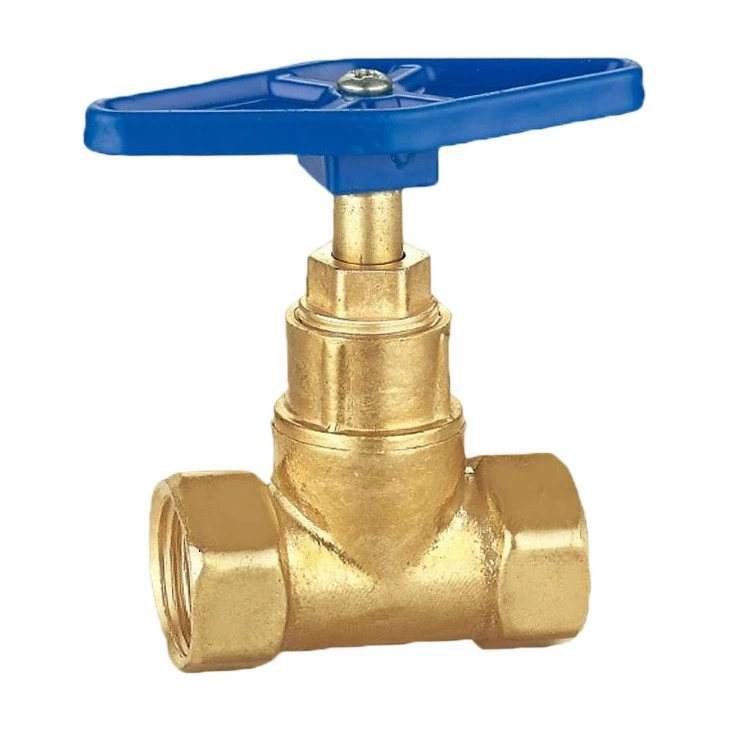

Compared to stainless steel stop valves, which are often more expensive due to the high cost of stainless steel and the complex manufacturing processes involved, brass stop valves can be a more cost - effective option for many applications. For small - to - medium - scale projects or applications where extreme corrosion resistance is not required, brass stop valves can provide satisfactory performance at a lower price. However, in applications where the fluid is highly corrosive or where the valve needs to withstand high pressures and temperatures for an extended period, the higher - cost stainless steel valves may be a better choice.
Flow Control and Performance
The design of brass stop valves allows for efficient flow control. The valve disc in a brass stop valve can be precisely positioned to regulate the flow rate of the fluid. Our Brass Regulating Stop Valve is specifically designed for applications where accurate flow control is necessary. It can be adjusted to achieve different flow rates, making it suitable for use in systems such as heating, ventilation, and air - conditioning (HVAC) systems.
In terms of sealing performance, brass stop valves typically have good sealing capabilities. The smooth surface of the brass valve components, combined with proper sealing materials, ensures a tight seal when the valve is closed, preventing leakage. Some other types of stop valves, such as rubber - seated valves, may have issues with sealing over time as the rubber can degrade or become damaged.
Installation and Maintenance
Brass stop valves are relatively easy to install. Their compact size and lightweight nature make them convenient to handle during installation. Additionally, brass has good compatibility with different types of pipes, including copper, PVC, and PEX pipes. This means that brass stop valves can be easily integrated into existing piping systems without the need for extensive modifications.
Maintenance of brass stop valves is also straightforward. Regular inspections can help detect any signs of wear or damage early on. If necessary, the valve components can be easily replaced. In contrast, some other types of stop valves may require more complex maintenance procedures. For example, diaphragm valves may need to have their diaphragms replaced periodically, and this process can be more time - consuming and require specialized tools.
Special Features: Slow - Opening Function
Some of our brass stop valves, such as the Slow - Opening Stop Valve, come with special features. The slow - opening function is particularly useful in applications where sudden changes in flow can cause water hammer or other problems. Water hammer occurs when the flow of fluid in a pipe is suddenly stopped or started, creating a pressure surge that can damage the piping system and the valves themselves.
The slow - opening feature of our brass stop valves allows the valve to open gradually, reducing the risk of water hammer. This is a unique advantage that is not commonly found in all types of stop valves. Other types of valves may require additional devices or complex control systems to achieve a similar effect, which can increase the overall cost and complexity of the system.
Application Suitability
Brass stop valves are suitable for a wide range of applications. They are commonly used in residential plumbing systems for controlling the flow of water to faucets, toilets, and appliances. In commercial buildings, brass stop valves can be found in HVAC systems, fire protection systems, and water treatment plants.
However, there are applications where other types of stop valves may be more appropriate. For example, in high - pressure steam systems, forged steel stop valves are often preferred due to their ability to withstand high temperatures and pressures. In food and beverage processing industries, sanitary stainless steel stop valves are used to ensure compliance with strict hygiene standards.
Conclusion
In conclusion, brass stop valves offer several distinct advantages over other types of stop valves, including corrosion resistance, malleability, cost - effectiveness, efficient flow control, ease of installation and maintenance, and special features such as the slow - opening function. However, the choice of stop valve ultimately depends on the specific requirements of the application, including the type of fluid, pressure, temperature, and environmental conditions.
As a supplier of high - quality brass stop valves, I am confident that our products can meet the diverse needs of our customers. Whether you are working on a small residential project or a large - scale commercial installation, we have the right brass stop valve for you. If you are interested in learning more about our brass stop valves or have specific requirements for your project, please do not hesitate to contact us for a detailed discussion and procurement negotiation. We look forward to serving you and helping you find the perfect stop valve solution.
References
- ASME B16.34 - 2017, “Valves - Flanged, Threaded, and Welding End.”
- ASTM B584 - 17, “Standard Specification for Copper - Alloy Sand Castings.”
- Crane Technical Paper No. 410, “Flow of Fluids Through Valves, Fittings, and Pipe.”


