


As a seasoned supplier of brass bibcocks, I've encountered numerous inquiries about the temperature range these essential plumbing components can withstand. Understanding the temperature limits of brass bibcocks is crucial for ensuring their proper functioning, longevity, and safety in various applications. In this blog post, I'll delve into the science behind the temperature range of brass bibcocks, explore the factors that influence it, and provide practical insights for choosing the right bibcock for your specific needs.
The Basics of Brass Bibcocks
Before we dive into the temperature range, let's briefly review what brass bibcocks are and how they work. A brass bibcock is a type of valve used to control the flow of water in plumbing systems. It typically consists of a body made of brass, a handle for opening and closing the valve, and a spout for directing the water flow. Brass is a popular choice for bibcocks due to its excellent corrosion resistance, durability, and aesthetic appeal.
Brass bibcocks are commonly used in a variety of applications, including residential, commercial, and industrial settings. They can be found in kitchens, bathrooms, laundry rooms, gardens, and other areas where water needs to be controlled. Some common types of brass bibcocks include Washing Machine Bibcock, Shower Bibcock, and Zinc Alloy Bibcock.
Temperature Range of Brass Bibcocks
The temperature range of a brass bibcock refers to the minimum and maximum temperatures at which it can operate safely and effectively. This range is determined by several factors, including the composition of the brass, the design of the bibcock, and the type of seal used.
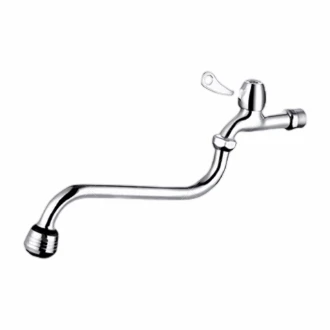

In general, most brass bibcocks are designed to operate within a temperature range of 0°C to 80°C (32°F to 176°F). This range is suitable for most residential and commercial applications, where the water temperature typically does not exceed 80°C. However, it's important to note that some brass bibcocks may have a narrower or wider temperature range, depending on their specific design and intended use.
For example, brass bibcocks used in industrial applications or in areas with extreme temperatures may be designed to withstand higher or lower temperatures. These bibcocks may be made from special grades of brass or may have additional features, such as insulation or heat-resistant seals, to ensure their performance in harsh environments.
Factors Affecting the Temperature Range
Several factors can affect the temperature range of a brass bibcock. Understanding these factors can help you choose the right bibcock for your specific needs and ensure its proper functioning in your plumbing system.
Brass Composition
The composition of the brass used in the bibcock can have a significant impact on its temperature range. Brass is an alloy of copper and zinc, and the ratio of these two metals can vary depending on the specific grade of brass. Some grades of brass may contain additional elements, such as lead, tin, or aluminum, to improve their properties.
In general, brass with a higher copper content is more resistant to high temperatures and corrosion. However, brass with a higher zinc content may be more malleable and easier to work with. When choosing a brass bibcock, it's important to consider the specific requirements of your application and choose a grade of brass that is suitable for the expected temperature range.
Design of the Bibcock
The design of the bibcock can also affect its temperature range. Bibcocks with a simple design and fewer moving parts are generally more reliable and can withstand higher temperatures. On the other hand, bibcocks with complex designs or additional features, such as multiple valves or adjustable spouts, may be more prone to failure at high temperatures.
In addition, the size and shape of the bibcock can also affect its temperature range. Larger bibcocks may be able to dissipate heat more effectively and can therefore withstand higher temperatures. However, smaller bibcocks may be more suitable for applications where space is limited.
Type of Seal
The type of seal used in the bibcock can also have a significant impact on its temperature range. Seals are used to prevent water from leaking out of the bibcock and to ensure its proper functioning. Different types of seals have different temperature ratings, and it's important to choose a seal that is suitable for the expected temperature range.
For example, rubber seals are commonly used in brass bibcocks due to their flexibility and durability. However, rubber seals may not be suitable for applications where the water temperature exceeds 80°C, as they can become brittle and lose their sealing properties at high temperatures. In these cases, it may be necessary to use a seal made from a more heat-resistant material, such as silicone or PTFE.
Choosing the Right Brass Bibcock for Your Needs
When choosing a brass bibcock for your plumbing system, it's important to consider the specific requirements of your application and choose a bibcock that is suitable for the expected temperature range. Here are some tips to help you choose the right bibcock:
Determine the Temperature Range
The first step in choosing a brass bibcock is to determine the expected temperature range of your application. This can be done by considering the type of water supply, the location of the bibcock, and the intended use of the water. For example, if you are using the bibcock to supply hot water to a washing machine or a shower, you may need a bibcock that can withstand higher temperatures.
Consider the Brass Composition
As mentioned earlier, the composition of the brass used in the bibcock can have a significant impact on its temperature range. When choosing a brass bibcock, it's important to consider the specific requirements of your application and choose a grade of brass that is suitable for the expected temperature range.
Look for Additional Features
In addition to the temperature range, you may also want to consider other features of the brass bibcock, such as its durability, ease of use, and aesthetic appeal. For example, some bibcocks may have a built-in strainer to prevent debris from entering the plumbing system, while others may have a decorative finish to enhance the appearance of your bathroom or kitchen.
Choose a Reputable Supplier
Finally, it's important to choose a reputable supplier when purchasing a brass bibcock. A reputable supplier will be able to provide you with high-quality products, reliable customer service, and technical support. They will also be able to help you choose the right bibcock for your specific needs and ensure its proper installation and maintenance.
Conclusion
In conclusion, understanding the temperature range of a brass bibcock is crucial for ensuring its proper functioning, longevity, and safety in your plumbing system. By considering the factors that affect the temperature range, such as the brass composition, the design of the bibcock, and the type of seal used, you can choose the right bibcock for your specific needs and ensure its performance in your application.
If you have any questions or need further information about brass bibcocks, please don't hesitate to contact us. We are a leading supplier of brass bibcocks and other plumbing products, and we are committed to providing our customers with high-quality products, reliable customer service, and technical support. We look forward to working with you and helping you find the right bibcock for your plumbing system.
References
- "Brass: Properties, Applications, and Manufacturing Processes." ASM International Handbook Committee. ASM International, 2001.
- "Plumbing Engineering: Design and Installation." Joseph L. Holzknecht. Wiley, 2012.
- "Handbook of Plumbing Design and Installation." Richard A. Trethewey. The Taunton Press, 2008.


